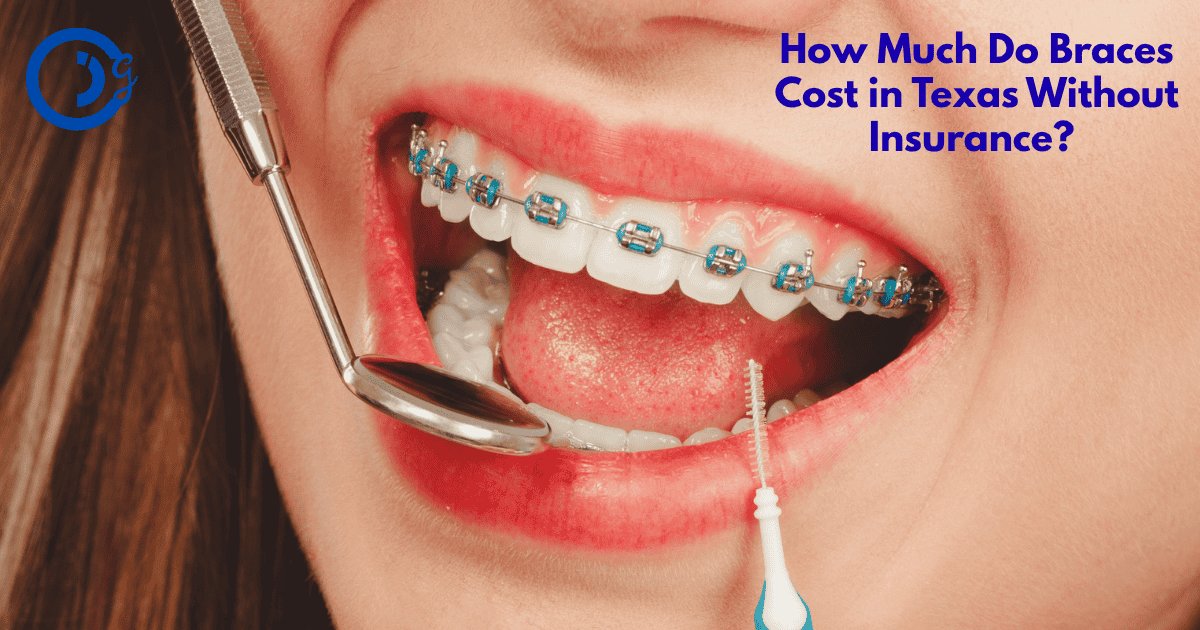

If you’ve ever caught yourself hiding your smile because of crooked teeth, you’re not alone. For many Texans, getting braces isn’t just about vanity—it’s about confidence, comfort, and long-term dental health. But when you start looking into orthodontic care, the question hits hard: how much do braces cost in Texas without insurance?
Truth is, dental care in the U.S. can feel like a luxury, especially without insurance. I’ve talked to parents, college students, and adults in their 40s who’ve all said the same thing: “I want straighter teeth, but I can’t afford a $6,000 surprise.”
So, let’s dig into the real numbers, the hidden costs, and a few smart ways to make braces affordable even without dental insurance. Whether you’re thinking about traditional metal braces, clear aligners, or adult treatment, this guide breaks it all down in plain, honest terms.
Understanding Braces Costs in Texas
Braces aren’t just metal wires and rubber bands—they’re a complex orthodontic treatment plan that takes time, precision, and expertise. And all of that comes with a cost.
In Texas, the average cost of braces without insurance ranges anywhere between $3,000 to $7,500, depending on the type of braces and where you live.
Average Price Breakdown
| Type of Braces | Average Cost (Texas, No Insurance) | Notes |
|---|---|---|
| Traditional Metal Braces | $3,000 – $6,000 | Most affordable, reliable option |
| Ceramic (Clear) Braces | $4,000 – $6,500 | Less visible, slightly pricier |
| Lingual Braces | $6,000 – $9,000 | Hidden behind teeth, harder to clean |
| Invisalign (Clear Aligners) | $3,500 – $7,000 | Popular for adults, removable |
Keep in mind—these are total treatment costs, which usually include the initial consultation, monthly adjustments, and follow-up care after removal.
Why Braces Cost So Much
When people hear the price tag, the first reaction is usually disbelief. But here’s where the money goes:
- Orthodontist expertise: You’re paying for years of specialized dental training.
- Custom equipment: Every set of braces is tailored to your unique teeth alignment.
- Long-term supervision: Regular visits, adjustments, and follow-ups are part of the process.
- Lab fees: For retainers, molds, and aligners.
In Texas, costs can also vary based on city size—Austin and Dallas tend to be on the higher end, while smaller towns might be a little more affordable.
How Much Do Adult Braces Cost in Texas Without Insurance?

Adults often face slightly higher costs. Why? Because adult teeth are less flexible, making treatment more complex.
Most adults in Texas pay between $4,500 and $7,500 for braces without insurance.
Factors like treatment duration, the type of braces, and how much alignment is needed can all change that number.
For instance:
- A 25-year-old in Houston needing mild adjustment might pay around $4,200.
- A 40-year-old in Dallas with significant correction could see prices closer to $7,000.
And unlike teens, adults often prefer ceramic or Invisalign options for a more discreet look, which pushes the price up a bit.
Ways to Save on Braces in Texas Without Insurance
You don’t have to empty your savings for a straight smile. Texans are getting creative with these money-saving options:
1. Payment Plans
Most orthodontists in Texas offer monthly payment options. You can often spread the cost over 12–24 months with little or no interest.
2. Dental Discount Plans
Unlike insurance, these are membership programs that give you discounted rates (up to 60% off). Try searching for local Texas dental savings plans before starting treatment.
3. University Dental Programs
Colleges like the UT Health San Antonio School of Dentistry or Texas A&M College of Dentistry provide discounted braces because students perform treatments under supervision.
4. Nonprofit Clinics
Some community health centers or dental nonprofits in Texas help low-income families get affordable orthodontic care.
5. HSA or FSA Accounts
If you have a Health Savings Account (HSA) or Flexible Spending Account (FSA), you can use those pre-tax dollars to pay for braces.
What’s Usually Included (and What’s Not)
When you get quoted for braces, ask what’s included. Some clinics might sound cheaper at first, but then add hidden charges later.
Typically included:
- Consultation and X-rays
- Braces installation
- Regular adjustments
- Retainer after removal
Not always included:
- Deep cleaning or tooth extractions before treatment
- Emergency repairs
- Missed appointment fees
Always request a written breakdown before agreeing to treatment.
Are Braces Worth It Without Insurance?
This is a tough one—and it’s personal. If you’ve got moderate or severe misalignment, braces can prevent bigger dental problems down the road. Think: jaw pain, uneven wear, and even speech issues.
But for mild cosmetic concerns, you might consider Invisalign Lite or partial treatment, which can cost less.
I’ve met adults who said getting braces in their 30s was one of the best investments they ever made. Not just for the smile—but for the confidence it brought.
Common Misunderstandings About Braces Costs

There’s a lot of confusion around what drives the price up. Let’s clear a few things up:
- Myth: “Metal braces are outdated.”
Fact: They’re still the most affordable and effective for tough cases. - Myth: “Invisalign is always cheaper.”
Fact: Sometimes it’s actually more expensive depending on your treatment length. - Myth: “Insurance doesn’t help adults.”
Fact: Some dental insurance plans do cover a portion of adult braces, though not all.
Real-Life Example
A mom in San Antonio shared that her 13-year-old’s braces cost $5,200. They joined a dental discount plan and saved nearly $1,000 off that total. Meanwhile, her 36-year-old sister chose Invisalign for $6,800 in Austin and paid monthly using an FSA account.
That’s the thing—there’s no “one-size-fits-all” number. The right approach depends on your budget, city, and comfort level.
Quick Tips Before You Start Treatment
- Always compare at least 2–3 orthodontists before committing.
- Ask about free consultations—many offer them.
- Check for hidden fees in the treatment plan.
- See if the clinic offers family discounts for multiple kids.
- If you’re anxious about cost, talk openly with your orthodontist. They often have flexible solutions.
Internal Link Suggestion
You might also like reading: “Does Dental Insurance Cover Braces for Adults?” (link to another article on your site).
External Link Suggestion
For official dental cost info, check the American Association of Orthodontists at aaoinfo.org.
FAQs
Disclaimer
Disclaimer: This article is for general informational purposes only and does not constitute professional insurance or dental advice. Please consult a licensed insurance or orthodontic professional before making any decisions.
Conclusion
Paying for braces out of pocket in Texas can feel overwhelming—but once you break it down, there are real options to make it manageable. Whether you go with traditional metal braces or Invisalign, remember: your smile is a long-term investment in yourself.
If you’re unsure about costs, talk to an orthodontist about payment plans, or explore local dental schools. There’s almost always a way to make it work—without draining your savings.
And if you’re exploring ways insurance could help next time, browse through our other insurance guides for real, experience-based advice.